
Why does this happen? Why do companies spend so much money on advertising fast food, if everyone knows that it isn't good for you?
Because it works.
So I'm here to give you a crash-course on 4 of the most common food advertising techniques. If we all know what techniques food companies are using, we'll soon notice that the food advertised isn't as good as everyone says it is.
#1: Health Claims

If it says it's good for you, it's gotta be true, right? WRONG. This food advertising technique is used to make you feel good about what you're eating. It's not microwaved overly-processed GMO wilted green beans with antibiotic-pumped chicken! It's lean! It's all-natural, which by the way isn't regulated by the U.S. government at all. Health claims are usually unclear or inaccurate, so watch out for them.
#2: Overdoing It
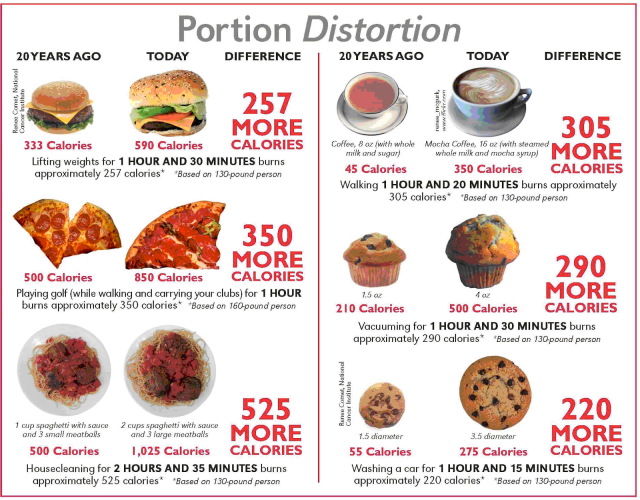
Do you ever feel like you literally ate a whole cow after eating a fast food meal? With "overdoing it", ads may show big portion sizes or people who can't stop eating the product advertised, both of which encourage you to overeat and feel like a human pillow afterwards.
#3: Sexualization
I'm not going to put an image here, because it honestly makes me really uncomfortable. Sexualization is a technique that food companies use to (sometimes) humor people, and make food more tempting and appealing. It's really gross! You'd notice it if you saw it.
#4: Looking Good
Ever get a burger that looks incredible in the commercials, but when you open the wrapper it looks like a sat-on potato? With "looking good", the food in ads often looks better than in real life. Extreme close-ups trigger our senses of taste and smell, making us crave that food. Fun fact: motor oil is used in commercials as pancake syrup; maybe the food in commercials is too good to be true...

No comments:
Post a Comment