Friday, June 3, 2016

Grocery Store Tips and Tricks

Ever go to a grocery store and wonder, "How does anyone get anything done in here??? There's so much to choose from, and so little time!" That's when handy little tips come in!

Tip #1: Buy seasonal foods while they are in season

Here's a helpful little chart of in-season foods in the U.S.:


Why buy foods when they are in season? First of all, they are incredibly cheaper, and second, they are more likely to be fresh and more locally grown.

Tip #2: Buy nonperishable foods in bulk

Flour? Check. Tea bags? Check. Cereal? Definitely! Many people believe that buying in bulk lowers the quality of the food, but it is literally just cheaper because it is easier to package.

Tip #3: Store perishable foods effectively

How many times have you thrown away mushy strawberries or moldy bread? I know, it's a terrible feeling. Here's a lovely chart of how long you can keep perishable foods in the freezer and the fridge before they go bad:


Tip #4: Don't grocery shop on an empty stomach

A big problem that causes people to buy too much food at once is buying food for the week while they're hungry. Think about it: you're not you when you're hungry (thank you, Snickers commercials!). If you like grocery shopping after working out or before dinner and don't want to ruin your appetite, keep some granola bars in your bag and eat one before shopping. Trust me, you will save a lot of money in the long run.

~ I hope this helps! ~

Serving Sizes Decoded

*NOTE: These are all based on a 2,000-calorie diet! Your recommended caloric intake may be different. Ask your doctor if you have any questions on your personal recommended caloric intake!*


Type of Food    Recommended Servings   Example of 1 Serving
     Grains               6-8 servings per day            1 slice of bread
  Vegetables           4-5 servings per day   1/2 cup cooked vegetables
      Fruits               4-5 servings per day             1 medium fruit
Dairy Products      2-3 servings per day    1 cup fat-free/low fat milk
 Lean Meats         less than 6 oz per day              3 oz of meat
Fats and Oils         2-3 servings per day    1 teaspoon vegetable oil
Nuts & Beans      4-5 servings per week  2 teaspoons peanut butter
Added Sugars  5 or less servings per week    1 tablespoon sugar

A healthy diet consists of a healthy balance of all of these types of food. Be wary, though: limit your sodium, saturated fat, red meat, and added sugar intake for a healthy, happy life.

Feel free to print this out and put it anywhere you need a reminder: by your bed, on the fridge, even in your locker! Remember, you are what you eat, so eat well.

Fad Diets? More Like BAD Diets

You've heard it in commercials, read it in magazines, maybe you've even overheard friends or family talk about them. Yup, I'm here today to talk to you about fad diets.

So what are they?

A fad diet is a diet that promises quick weight loss through an unusual (and usually unhealthy) diet. They are targeted at people who want to lose weight quickly without exercise. While some fad diets claim that they make you lose fat, it is really just water weight that you are losing.

There are some pretty tempting ones out there. One suggests that you just eat Twinkies for the rest of your life, and another says that hot dogs and ice cream will help you lose weight.

On the other hand, fad diets are very dangerous. Some of them suggest to eat things such as cotton balls, destroying your digestive system, while others suggest to eat nothing at all, such as Breathairianism.


Stay safe, and please, don't follow any of these fad diets. My advice? Check out the Mediterranean diet. It is a healthy, lifelong plan, and it informs you of what you should eat, not what you shouldn't. Whatever you decide to eat, please listen to your body and not to the fads.

4 Most Common Food Advertising Techniques


Why does this happen? Why do companies spend so much money on advertising fast food, if everyone knows that it isn't good for you?

Because it works.

So I'm here to give you a crash-course on 4 of the most common food advertising techniques. If we all know what techniques food companies are using, we'll soon notice that the food advertised isn't as good as everyone says it is.

#1: Health Claims


If it says it's good for you, it's gotta be true, right? WRONG. This food advertising technique is used to make you feel good about what you're eating. It's not microwaved overly-processed GMO wilted green beans with antibiotic-pumped chicken! It's lean! It's all-natural, which by the way isn't regulated by the U.S. government at all. Health claims are usually unclear or inaccurate, so watch out for them.

#2: Overdoing It


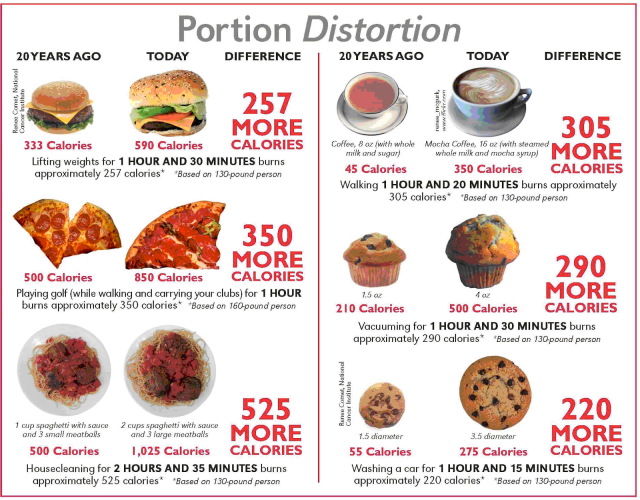
Do you ever feel like you literally ate a whole cow after eating a fast food meal? With "overdoing it", ads may show big portion sizes or people who can't stop eating the product advertised, both of which encourage you to overeat and feel like a human pillow afterwards.

#3: Sexualization

I'm not going to put an image here, because it honestly makes me really uncomfortable. Sexualization is a technique that food companies use to (sometimes) humor people, and make food more tempting and appealing. It's really gross! You'd notice it if you saw it.

#4: Looking Good


Ever get a burger that looks incredible in the commercials, but when you open the wrapper it looks like a sat-on potato? With "looking good", the food in ads often looks better than in real life. Extreme close-ups trigger our senses of taste and smell, making us crave that food. Fun fact: motor oil is used in commercials as pancake syrup; maybe the food in commercials is too good to be true...

Keeping Diabetes at Bay

First of all, what is diabetes? That's an excellent question, considering over 9% of the U.S. population (that's 29 million people!) have it.

Well, the pancreas is an organ that produces insulin. Insulin acts like a key, unlocking doors to muscles and fat cells so that glucose can be used as fuel. Diabetes is a disease where either the pancreas doesn't produce enough insulin, or the cells of the body don't respond to insulin, making it unable to use glucose as fuel for the body. This leads to an increase of sugar in the bloodstream and a decrease of energy in fat and muscle cells.

Diabetes has many symptoms, some more fatal than others. Here are some of them:

  • tired/fatigue
  • dehydration
  • eye, kidney, and nerve failure
  • blindness
  • need for amputation
  • heart attack
  • stroke
Now that I've scared you enough, here are some ways to prevent type 2 diabetes (types 1 and 3 cannot be prevented, but type 2 diabetes is diet-related):


Thursday, June 2, 2016

OsteoporoWHAT?

Osteoporosis is the loss of calcium from bone, causing weak bones that are more easy to break.

It's a really weird word, but 1 in 2 women and 1 in 4 men over the age of 50 will have an osteoporosis-related fracture. So, yeah, it's kind of a big deal.

If you have osteoporosis, you might never be able to walk again, need permanent care, have severe pain, and might die from it.

Risk factors of osteoporosis include...

  • advanced age
  • female-bodied
  • thin/small frame
  • a family history of osteoporosis
  • poor diet
  • inactivity
  • frequent falling
  • some medications
  • smoking
  • alcohol
  • soda
So, what can you do to fight it? Here are some tips:

- Get your daily intake of vitamin D and calcium! Here are some delicious foods with just that:

"But, I don't like milk! I'm vegetarian/vegan... do I just have to suffer?" Of course not, silly! Here are some foods that will fit your lifestyle perfectly (from JoyousHealth.com):

What to Watch Out For with Cancer

Since cancer is the second leading cause of death in the U.S., it's only fair that I should post about it after heart disease.

Cancer isn't controllable - in fact, that is literally the opposite of what cancer is. Cancer is defined as cells that have lost the ability to have normal control, hindering them unable to do their normal bodily functions. Instead, they grow uncontrollably and form tumors in the body. If not stopped, the cells will metastasize, or break away from the tumors and travel to different tissues or organs of the body.

How do you prevent from something that cannot be stopped? By targeting it as early as possible. Here are some symptoms of cancer:
  • headaches
  • blurred vision
  • extreme exhaustion
  • bumps or swelling
  • nausea
  • problems with balance
  • many infections
  • unusual bleeding
If you feel that anything is out of the ordinary with your body, don't be afraid to talk to your doctor. They are there for a reason, and it is much better to be told "This isn't cancer" early on than "This is cancer" when it is too late.

Since this is a food blog, I'll leave you with some delicious cancer-preventing foods!

Combating Heart Disease with Food

For the next few articles, I'm going to go over 4 diet-related health problems: heart disease, cancer, osteoporosis, and diabetes. Here are some healthful and helpful tips in fighting against them with your everyday diet!

For the first one, I'm going to focus on heart disease. Some uncontrollable factors that might put you at risk are a family history of heart disease, and being over the age of 55. However, there are some factors that you can control to help fight off the risk of heart disease.

Heart disease is the leading cause of death in the U.S. for both men and women. 1 in 4 deaths occur from heart disease.

So, what can you do to lower your risk?
This helpful image from HopeHeart.org sheds some light on the subject.


Basically, eat a healthy diet and exercise. Don't smoke or drink alcohol excessively as well and that will lower your risk drastically.

"But, what are some heart-healthy foods???? When people say, 'Eat healthy!', they never tell me what that actually means!" I'm glad you asked, blog-reader! Here's a list of 20 heart-healthy foods for you:

Wednesday, June 1, 2016

Jamie Oliver Revolutionizes Our Food Culture

Our generation is said to be the first generation to not outlive our parents. Why is this happening? Is it because of the new dangers of the world, sanitation regulations, warfare, corrupt government?

Jamie Oliver suggests that it is our diet that is killing us. The biggest killers in the U.S. today are diet-related diseases, which are easily preventable. We cry and scream, "Ebola! The Zika virus!", but we hide heart disease, obesity, and diabetes under the covers like the corpse of a horror scene. We are killing ourselves, and we don't know why we're dying in the first place.

Obesity costs 10% of our nation's healthcare costs, and is supposed to double shortly. Money that could be used for education, a better police system, better roads, better hospitals, and a better society are being washed down with a glass of Coca-Cola.

So how do we stop this? How do we turn our lives around so we can actually live again? Oliver suggests that we focus on three areas: home, school, and Main Street.

At home, we need to teach children how to cook for ourselves. This includes teaching children where their food comes from, so they know the difference between fresh, natural food and overly processed fillers.

At school, we need to teach children about the importance of food. Schools today are fast food oases and food deserts at the same time. We need to serve children proper food that sustains life instead of destroying it.

Main Street refers to major food companies. The labeling of food needs to be less deceptive and easy for everyone to understand, despite their education background. Food companies today manipulate people into eating toxins through false advertising, factoring crucially into the cause of the obesity epidemic. They need to promote a healthy lifestyle instead of promoting deadly products.

Want to know more? Feel free to check out the rest of this blog!